

What Is Commercial Junk Removal?

A back office packed with broken desks, a retail stockroom full of old fixtures, or a job site buried in debris can slow down business fast. If you have ever wondered what is commercial junk removal, the short answer is this: it is a service that removes unwanted items, debris, and bulk waste from business properties so owners, managers, and contractors do not have to handle the labor, hauling, or disposal themselves.
For a lot of businesses, that matters more than it sounds. Junk is not just an eyesore. It takes up usable space, creates safety issues, and turns simple cleanups into time-consuming projects. Commercial junk removal is built to solve that problem quickly.
What Is Commercial Junk Removal and What Does It Include?
Commercial junk removal is the pickup, hauling, and disposal of unwanted materials from commercial properties. That can include offices, retail stores, warehouses, restaurants, apartment complexes, construction sites, storage units, and other business locations.
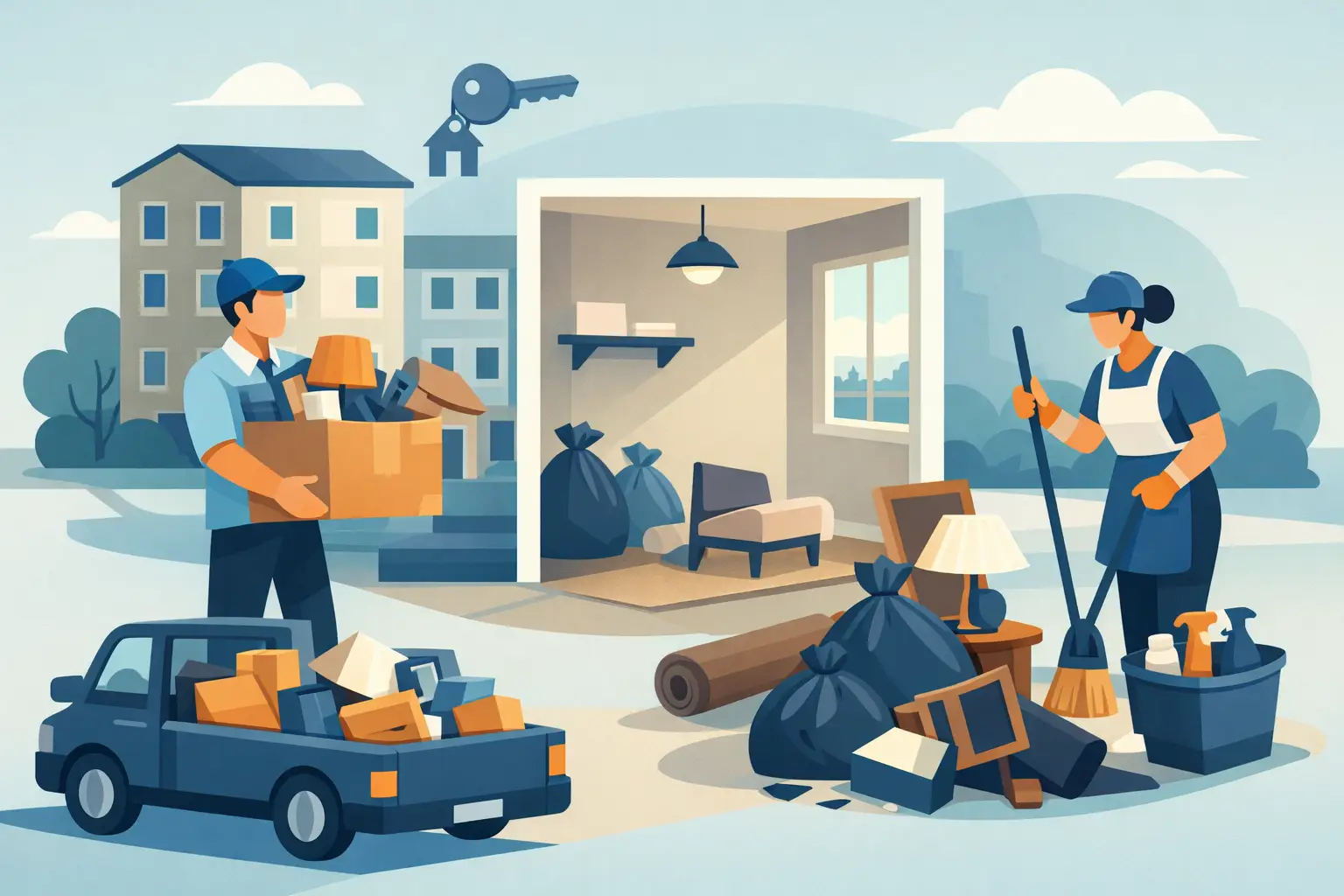
The scope depends on the property and the type of cleanup. Some jobs are small, like removing a few old office chairs, display racks, or broken appliances. Others are much bigger, such as clearing out an entire office suite after a tenant moves, hauling away warehouse junk, or cleaning up construction debris after a renovation.
In most cases, the service includes more than just loading a truck. A professional crew typically handles the heavy lifting, sorting, hauling, and proper disposal. That is a major reason businesses call for help instead of trying to use their own staff or making multiple dump runs.
What Counts as Commercial Junk?
Commercial junk covers a wide range of materials. In an office, that might mean desks, cubicles, filing cabinets, computers, printers, shelving, and general clutter. In retail, it can include outdated displays, mannequins, damaged inventory, counters, and storage room waste. For property managers, it may involve tenant left-behind items, common-area cleanouts, or bulk trash around apartment buildings.
Construction and renovation jobs are another big category. Contractors often need help removing drywall, wood, flooring, cabinets, tile, scrap materials, and other job site debris. That kind of waste piles up fast, and keeping a site clean is not just about appearance. It helps with safety, workflow, and staying on schedule.
There are limits, of course. Hazardous materials usually require specialized handling and are not part of standard junk removal. Items like chemicals, asbestos, certain paints, and biohazards are generally handled through separate disposal channels. If a job includes materials like that, it is smart to ask about it upfront.
Who Usually Needs Commercial Junk Removal?
Small business owners, property managers, contractors, landlords, and facility managers are the most common customers. The need usually comes up during transitions. A business is moving out, remodeling, replacing furniture, cleaning up after a tenant, or trying to reclaim back-of-house space that has turned into a dumping ground.
Sometimes the need is urgent. A store may need to clear old fixtures before a reset. An office may have to empty out fast before a lease deadline. A contractor may need same-week debris removal to keep a project moving. In other cases, it is more about convenience. The business could handle the cleanup on its own, but doing that means pulling employees away from their real work, renting a truck, finding disposal sites, and dealing with all the lifting.
That trade-off is usually where commercial junk removal makes sense. It saves labor, reduces downtime, and gets the mess off the property without creating another job for the business to manage.
How Commercial Junk Removal Works
Most commercial junk removal jobs start with an estimate. The crew looks at the volume of material, the type of items being removed, access to the property, and the labor involved. A ground-floor pickup with easy access is different from clearing out a second-floor office with a freight elevator and tight hallways.
Once the job is approved, the crew comes out, loads everything, and hauls it away. Depending on the service, they may also do light sorting and sweep up the area afterward. For larger jobs or ongoing projects, some businesses choose a dumpster rental instead. That works well when the cleanup will happen over several days and the customer wants to load materials at their own pace.
This is one area where it depends on the job. Full-service junk removal is usually better when you want labor included and need the space cleared quickly. A dumpster rental may be the better fit when a contractor or property owner is already doing the work and just needs a place to toss debris.
What Is the Difference Between Commercial and Residential Junk Removal?
The basic idea is the same in both cases: unwanted items are removed and hauled away. The difference is usually the scale, the materials, and the logistics.
Commercial jobs often involve larger volumes, tighter schedules, and more coordination. There may be building access rules, loading dock requirements, tenant timelines, or business hours to work around. The items themselves can also be heavier or more awkward, like cubicles, commercial shelving, fixtures, or renovation debris.
Residential junk removal is often more straightforward. A homeowner may need an old couch gone, a garage cleaned out, or a few bulky items removed. Commercial junk removal tends to be more project-based and more tied to operations, deadlines, and safety concerns.
How Pricing Usually Works
Commercial junk removal pricing is usually based on how much space the items take up in the truck, what type of material is being removed, and how much labor the job requires. Accessibility also matters. If a crew has to navigate stairs, long carries, or heavy materials, that can affect the quote.
That is why on-site estimates are so useful. They give the customer a more accurate number and help avoid surprises. A low quote over the phone may sound good at first, but if it does not reflect the real job, it can turn into a headache later.
For businesses trying to compare options, the cheapest price is not always the best value. Fast turnaround, reliable scheduling, proper disposal, and a crew that can handle the work safely all matter. If a delay keeps your project from moving forward, a slightly lower price does not help much.
When It Makes Sense to Hire a Local Crew
A local company often makes the process easier, especially when timing matters. Local crews usually know the area, understand how to work around South Jersey properties and job sites, and can offer more direct communication than a larger franchise setup.
That also matters on the pricing side. A locally owned company does not have the same overhead structure as a national brand, and that can translate into better rates for the customer. More importantly, local service tends to feel more straightforward. You call, you explain the job, and you get a real answer from people who actually work in your area.
For businesses in Atlantic County and nearby South Jersey communities, that kind of direct service can make a big difference when you are trying to line up a cleanup quickly and keep a property under control.
What to Look for in a Commercial Junk Removal Company
The basics matter most. You want a company that is licensed, insured, responsive, and clear about pricing. You also want a crew that shows up ready to work and can handle heavy lifting without turning the cleanup into your problem.
Beyond that, it helps to find a provider with a range of services. Some jobs are simple junk pickups. Others may involve demolition, construction cleanup, or the need for a roll-off dumpster. Working with a company that can handle different types of cleanup saves time when the project changes halfway through.
If you are managing a property or a commercial project, reliability is everything. Missed appointments, vague pricing, or slow communication can create bigger problems than the junk itself.
Why Commercial Junk Removal Is Worth It
The biggest benefit is time. Instead of assigning staff to move junk, rent equipment, and make disposal runs, you hand the job off and get the space back sooner. That can mean reopening a storage room, clearing a rental unit, finishing a renovation, or simply making a property look professional again.
It also helps with safety. Heavy items, sharp debris, and overcrowded spaces increase the risk of injury. A trained crew with the right equipment can remove materials more efficiently and with less risk than trying to piece the job together on your own.
For businesses, there is also the image factor. Clean properties, organized job sites, and clutter-free work areas send a better message to customers, tenants, and employees. That is not just about appearances. It affects how a place functions day to day.
If you are dealing with old furniture, fixtures, debris, or a full commercial cleanout, commercial junk removal is really about taking one more problem off your plate. A company like The Junk Bros. LLC handles the lifting, hauling, and cleanup so you can get back to running the property, the project, or the business.


Comments