
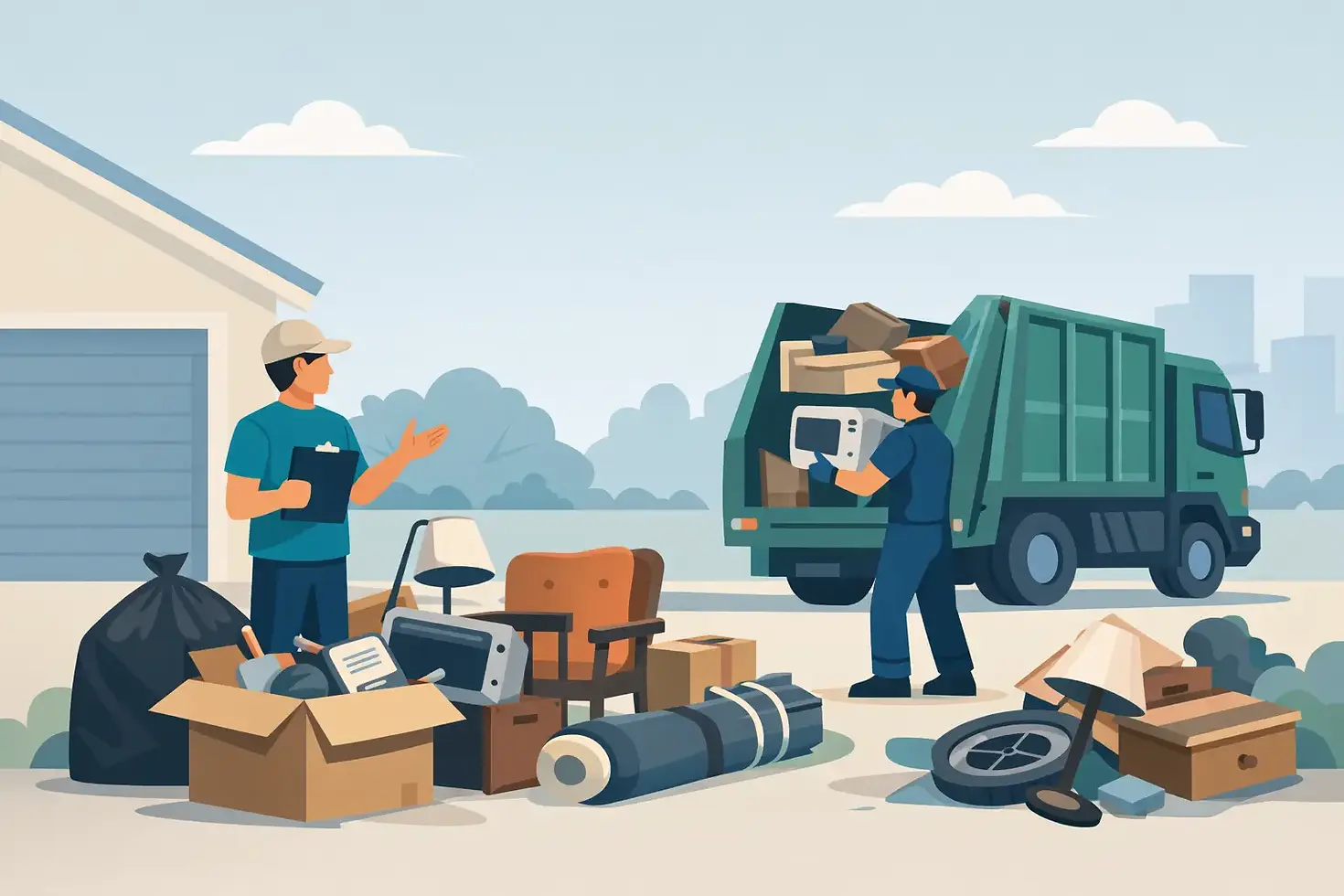
How to Prepare for Junk Removal

That old couch in the basement, the broken fence panels behind the garage, the pile of remodeling debris taking over the driveway - junk has a way of turning into a bigger job than expected. If you're wondering how to prepare for junk removal, a little planning goes a long way. It helps the pickup move faster, keeps pricing clear, and makes sure the crew can get in, load up, and get out without delays.
For homeowners, landlords, contractors, and business owners, prep work does not need to be complicated. The goal is simple: know what is going, make it easy to access, and avoid surprises on pickup day. Whether you're clearing one heavy item or tackling a full property cleanout, the right setup makes the whole job easier.
Start by deciding what actually needs to go
Before you call for service or book a pickup, walk the space and make clear decisions. This sounds obvious, but it is where a lot of jobs get slowed down. People often have a general idea of what they want removed, then realize halfway through that they also want old paint cans gone, the shed emptied, and the treadmill from the spare room hauled out too.
Try to separate items into three simple groups: junk, donations, and things you are keeping. If you leave those categories blurry, items can get mixed up in the rush of cleanup day. That matters most in garages, basements, offices, attics, and storage areas where useful tools, paperwork, and valuables tend to sit near trash.
If the job involves an estate cleanout, rental turnover, foreclosure, or office clear-out, give yourself extra time here. Those jobs usually uncover more items than expected. A quick sort now can save a lot of second-guessing later.
How to prepare for junk removal before you get an estimate
The more accurate your description is, the easier it is to get a realistic estimate. You do not need to count every loose board or bag of trash, but you should know the basics. Think in terms of volume, item type, and location.
For example, saying "a loveseat and some garage junk" is less helpful than saying "one loveseat, around 15 contractor bags, a broken lawn mower, and scrap wood in the garage." If the items are on a third floor, in a tight basement, behind a fence, or mixed with construction debris, mention that too. Access affects labor, time, and equipment.
Photos can help when available, especially for larger cleanouts, demolition debris, or bulky items like hot tubs, pianos, sheds, or packed storage units. A good estimate depends on a clear picture of the job, not guesswork.
Make sure the junk is easy to reach
Access is one of the biggest factors in a smooth removal. If the crew has to work around parked cars, locked gates, stacked boxes, or narrow paths, the job takes longer and can become less safe.
Before the appointment, clear a route from the junk to the truck whenever possible. Move vehicles out of the driveway if the loading area is there. Unlock gates. Put pets in a secure area. If you live in a condo, apartment, or commercial building, check whether elevator access, loading zones, or building rules need to be arranged ahead of time.
You do not need to drag everything to the curb unless your service requires it. Full-service junk removal usually means the crew does the lifting. But even when the team handles the heavy work, a clean path helps the job move faster.
Pay attention to tight spaces and heavy items
Large items often create the biggest day-of problems. Refrigerators, sectionals, mattresses, office furniture, exercise equipment, and old appliances can be awkward to move, especially through narrow hallways or stairwells.
If you know an item barely fit into the space when it came in, mention that before pickup. Some items may need partial disassembly. Others may require extra labor or a different approach. It is better to flag that upfront than find out at the last minute that removal is more involved than it looked.
Remove anything that should not be hauled away
One of the easiest mistakes to make is leaving personal or important items mixed into the junk pile. That is especially common during fast cleanouts, moves, renovations, and tenant turnovers.
Check drawers, cabinets, shelves, and storage bins before the crew arrives. Pull out cash, jewelry, medication, keys, family photos, legal papers, hard drives, and anything sentimental. If you are clearing out an office or commercial space, make sure employee records, customer documents, electronics, and branded materials are handled the right way.
If something is staying, label it or move it out of the work area. Do not assume the difference will be obvious once loading starts. On a busy job, clear separation matters.
Know what may need special handling
Not every item belongs in a standard junk load. Some materials may be restricted, require special disposal, or need to be separated from general debris. The rules depend on the item and the disposal options in your area.
Paint, chemicals, fuel, propane tanks, asbestos-containing materials, certain electronics, tires, and hazardous waste often need special handling. The same can be true for large amounts of concrete, dirt, roofing material, or mixed construction debris. If you are not sure, ask before the appointment.
This is where honesty helps. Hiding restricted items in bags or boxes can create safety issues and hold up the job. A straightforward conversation ahead of time makes it easier to plan the right service, whether that is full-service hauling or a dumpster for a self-managed cleanup.
Decide whether full-service hauling or a dumpster makes more sense
If you are clearing junk all at once and want the labor handled for you, full-service removal is usually the faster option. The crew comes in, lifts, loads, and hauls everything away. That works well for furniture removal, property cleanouts, office junk, and jobs where speed matters.
If you are working over several days, especially on a remodel, roofing job, construction site, or major cleanout, a dumpster rental may be the better fit. It gives you time to sort as you go without stacking debris in the yard or making repeated dump runs.
There is no one right answer for every project. A homeowner cleaning out a garage over a weekend may prefer a dumpster. A landlord with a unit that needs to be turned quickly may want a crew to clear it in one shot. The best choice depends on timeline, labor, and how hands-on you want to be.
Get the area ready on pickup day
The final prep is simple but worth doing. Bag loose trash if possible. Bundle smaller debris when it makes sense. Keep children and pets away from the work zone. If weather is bad, think about slippery walkways, muddy yards, or snow that could affect access.
If the junk is inside, turn on lights and make sure doors can open fully. If it is outside, point out exactly what is going so there is no confusion. For curbside or driveway pickups, group the material together if you can. The less sorting that has to happen during loading, the smoother the appointment usually goes.
If pricing matters, organization helps
Most people want the job done quickly, but they also want a fair price. One way to help with that is organization. A neat, visible pile is easier to estimate and load than scattered debris spread across a yard, basement, and side room.
That does not mean you need to stage the whole job like a showroom. It just means grouping items, clearing access, and being upfront about the scope. Local companies that offer on-site estimates can usually price more accurately when the job is easy to see and understand.
For South Jersey customers dealing with anything from a single-item pickup to a full cleanout, that straightforward approach is exactly what companies like The Junk Bros. are built around - honest estimates, hard work, and getting the mess out of your way without making the process harder than it needs to be.
A few last-minute questions to ask yourself
Before the truck arrives, make sure you know the answer to a few basics. Are all the items you want removed clearly identified? Is the path clear? Did you pull out anything valuable or private? Are there any materials that need special handling? If the answer to those is yes, you are in good shape.
Preparing for junk removal is really about respecting your own time. A little effort upfront helps avoid delays, protects the things you want to keep, and makes the whole appointment feel easier from the start. When the job is set up right, you get what you actually wanted in the first place - more space, less stress, and one less mess hanging over your head.


Comments