

How to Handle Construction Debris Right

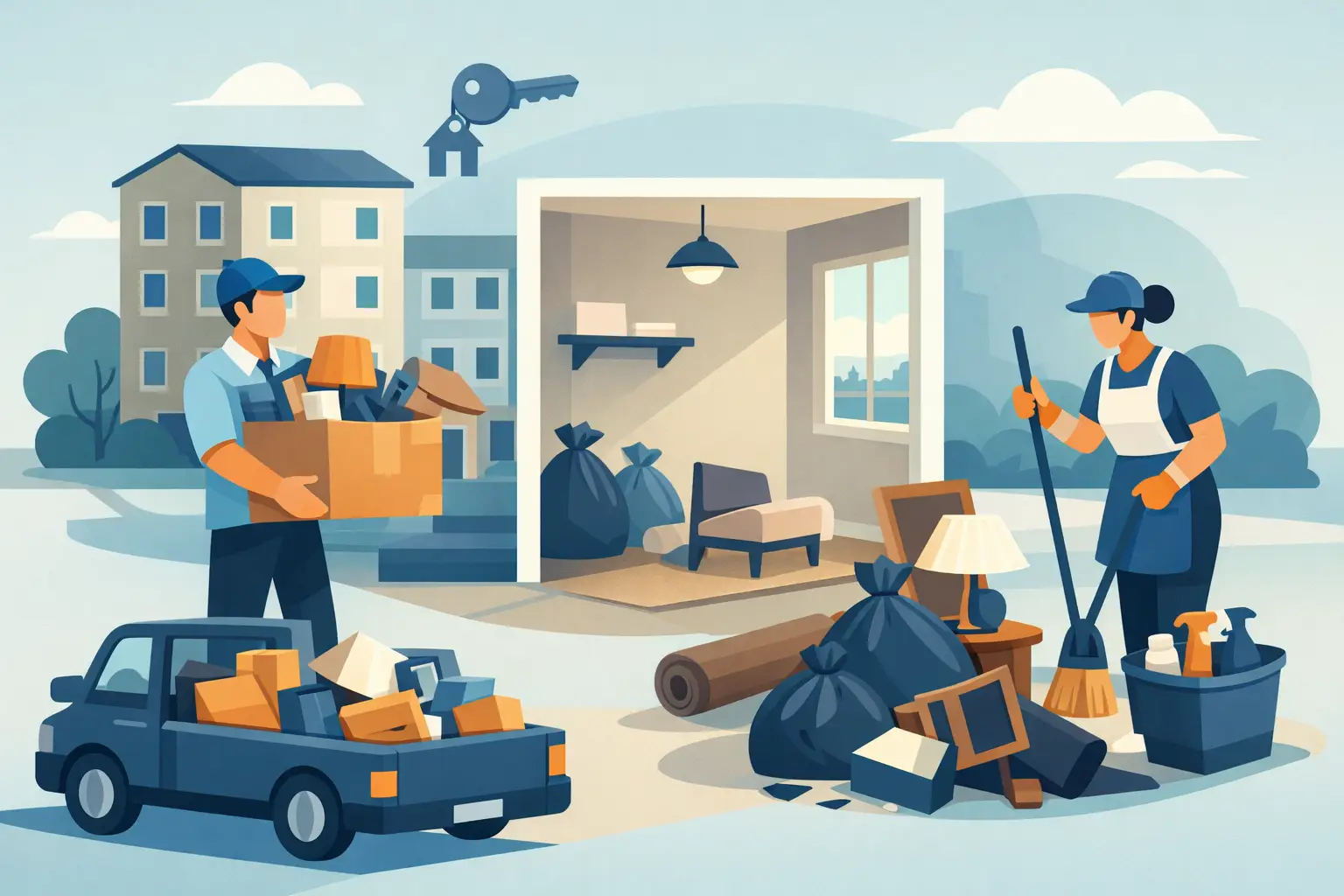
That pile of broken drywall, wood scraps, busted tile, and packaging does not look like much at first - until it starts eating up your driveway, blocking a jobsite, or turning into a safety problem. If you are wondering how to handle construction debris without wasting time, risking injury, or paying more than you should, the answer starts with a simple plan.
Construction cleanup gets harder when people treat all debris the same. A bathroom remodel creates different waste than a roofing job. A retail buildout leaves behind different materials than a deck tear-out. The fastest, cheapest option depends on what you have, how much of it there is, and whether you want to do the loading yourself or hand the whole job off.
How to handle construction debris without creating a bigger mess
The first step is sorting the debris by type. Not every material can be tossed together, and mixing everything into one pile usually slows down disposal. Wood, drywall, tile, concrete, metal, cardboard, and general trash all have different handling needs. If you separate as you go, cleanup stays manageable and you avoid the last-minute scramble when the project is done.
Size matters too. A few contractor bags from a small kitchen update can be handled differently than several tons of demolition debris from a full renovation. For lighter cleanup, hauling it away in stages might work. For bigger jobs, you are usually better off using a dumpster or hiring a crew that can remove everything in one shot.
Keep the debris pile in one designated area if possible. On residential jobs, that may be one section of the driveway or yard. On commercial sites, it may be a corner that stays out of the way of workers and deliveries. A contained pile is easier to load, safer to manage, and less likely to spread nails, dust, and sharp materials across the property.
Start with safety before you start loading
Construction debris is not regular household junk. It often includes nails, screws, splintered lumber, shattered glass, metal edges, and heavy materials that can cause real injuries. Before moving anything, use work gloves, sturdy boots, long pants, and eye protection. A dust mask also makes sense when dealing with drywall, insulation, or old plaster.
Lifting technique matters more than most people think. Bags of debris get heavy fast, especially when they are filled with tile, brick, or roofing material. Overloading bags is one of the most common mistakes on cleanup jobs. Smaller loads take a little more time, but they are safer to carry and far less likely to tear open across the property.
If there are exposed nails, broken glass, or loose demolition material on the ground, do a first pass just to make the area safe. Pick up hazards, stack materials neatly, and clear walking paths before you begin hauling. That small step can prevent twisted ankles, cuts, and extra damage to driveways or lawns.
Know what kind of debris you are dealing with
Some materials are straightforward. Clean lumber, broken drywall, flooring, cabinets, trim, and packaging are common construction waste items. Others need more care. Concrete, brick, dirt, asphalt, and roofing shingles can get extremely heavy, which affects how they should be loaded and where they can be taken.
Then there are materials that should never be handled casually. Paints, solvents, chemicals, adhesives, and certain old building materials may require special disposal. If a project involves older insulation, flooring, siding, or anything you suspect could be hazardous, do not guess. That is one area where trying to save a few dollars can create a much bigger problem.
For most homeowners and smaller contractors, the practical approach is simple: identify standard debris, separate out anything heavy, and set aside anything questionable until you confirm the right disposal method.
Dumpster rental or full-service removal?
This is where a lot of people get stuck, and the right answer depends on the job.
A dumpster rental works well when the project will create debris over several days or weeks. If you are doing your own renovation, managing a small crew, or want the flexibility to load as you go, having a container on-site keeps the area cleaner and saves multiple dump runs. It is often the best fit for remodeling projects, flooring replacement, roofing jobs, and property cleanouts that happen in phases.
Full-service junk removal makes more sense when you want the debris gone fast and do not want to deal with lifting, loading, or disposal logistics. That can be the better option after a demolition job, at the end of a renovation, or when there is a mixed pile of materials sitting on-site that needs to disappear quickly. It is also a smart choice for property managers and business owners who do not have time to coordinate labor.
There is a cost trade-off. Dumpsters can be more economical when you have time and labor to do the work yourself. Full-service removal can save money in a different way - by cutting down labor time, reducing injury risk, and getting the site back in usable shape faster.
Common mistakes that make debris removal harder
One mistake is waiting until the project is over to think about cleanup. That usually leads to scattered debris, overflowing piles, and higher labor at the end. It is easier to manage debris day by day than tackle everything at once.
Another is underestimating weight. People often focus on volume, but materials like tile, concrete, and shingles add up quickly. A pile that looks manageable can become a serious hauling problem once you start loading it.
Illegal dumping is another bad shortcut. Leaving debris at vacant lots, commercial dumpsters, or curbside where it does not belong can lead to fines and headaches. The cheapest option is not always the least expensive one once penalties, wasted time, and cleanup delays get involved.
Some people also damage their own property during cleanup. Dragging heavy debris across pavers, overloading pickup trucks, or stacking materials against siding and garage doors can turn a cleanup project into a repair bill.
A practical cleanup approach for homeowners and contractors
If you want a straightforward system, keep it simple. Start by clearing one debris zone. Separate heavy material from lighter mixed waste. Bag smaller loose debris, stack larger items neatly, and keep sharp or dangerous material contained. Once you know the total amount, decide whether it is a do-it-yourself load-out or a job better handled with a dumpster or removal crew.
For homeowners, the biggest factor is usually labor. If the project debris is more than you can safely move in a couple of hours, it is probably time to bring in help. For contractors, the bigger issue is efficiency. A clean site looks better, runs safer, and keeps the next phase of work moving.
In South Jersey, that matters more than people think. A cluttered driveway in Egg Harbor Township, a renovation site in Atlantic City, or a property turnover in Ocean City can slow everything down when debris is left sitting too long. Fast cleanup is not just about appearance. It keeps the project organized and the property usable.
When it makes sense to call in help
If the debris includes heavy demolition material, large volumes, tight access, or a mix of difficult items, professional help is usually worth it. The same goes for jobs where time matters, such as preparing for inspections, turning over a rental, reopening a business space, or finishing a remodel on schedule.
A local company that handles hauling, site cleanup, and dumpster rentals can usually give you a clearer path than trying to piece it together yourself. That is especially true when you want honest pricing, quick turnaround, and a crew that knows the area. For many homeowners, property managers, and contractors, that is the simplest answer to how to handle construction debris without burning a full day on cleanup.
The right cleanup plan is the one that keeps your site safe, your schedule on track, and your costs under control. If the debris is already slowing down your project, it is probably time to stop looking at the pile and get it off the property.


Comments