
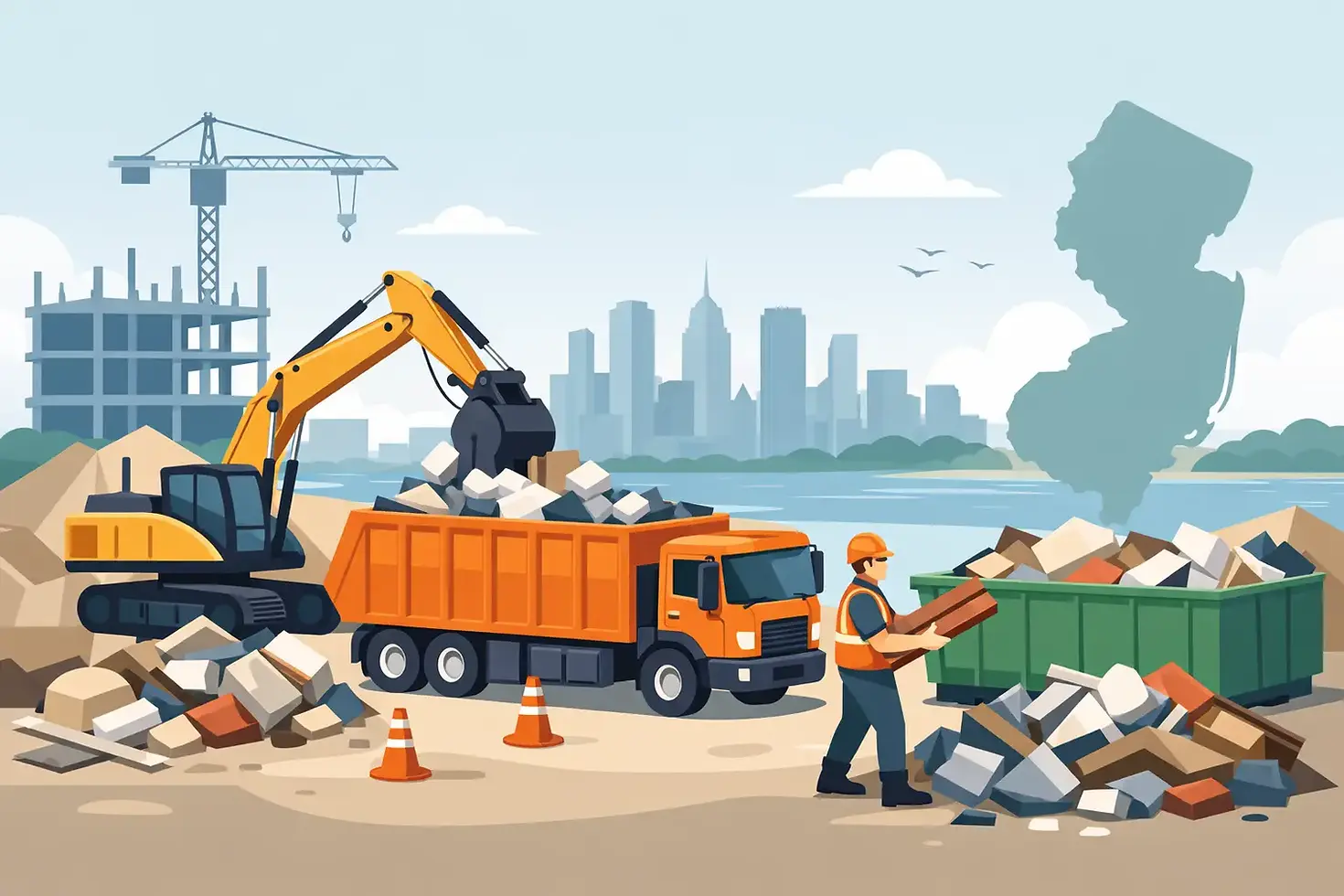
Construction Debris Disposal Guide for NJ Jobs

You notice construction debris when the work is almost done. The new cabinets are in, the wall is down, the flooring is stacked by the curb - and suddenly the mess is what stands between your project and a clean finish. This construction debris disposal guide is built for homeowners, contractors, and property managers in South Jersey who need a practical way to clear the site without wasting time, risking injury, or running into disposal problems.
A lot of cleanup issues start with one bad assumption: that all debris can be handled the same way. It cannot. Drywall, lumber, concrete, shingles, old fixtures, cardboard, and mixed jobsite trash all have different weight, handling, and disposal needs. If you treat a small bathroom remodel like a whole-house renovation, you may overpay. If you treat a major tear-out like a weekend cleanup, you may end up with overloaded trucks, unsafe piles, and delays.
What counts in a construction debris disposal guide
Construction debris is the waste left behind from building, remodeling, demolition, roofing, flooring, landscaping hardscape removal, and site prep. That can include wood studs, drywall, tile, insulation, siding, brick, concrete, cabinets, countertops, toilets, sinks, glass, metal scraps, and packaging from new materials.
The first thing to understand is that debris usually falls into two broad groups: clean loads and mixed loads. Clean loads are mostly one material, like concrete or scrap metal. Mixed loads combine several materials in one pile. Clean loads can sometimes be cheaper and easier to manage. Mixed debris is more common on residential and light commercial jobs, but it usually takes more sorting and can cost more to dispose of.
That distinction matters because disposal pricing often depends on both volume and weight. A truckload of cardboard and trim is very different from a truckload of broken tile and mortar. They may take up the same space, but they do not cost the same to move or dump.
Start by matching the cleanup plan to the project
For a small project, like replacing one vanity, tearing out carpet, or removing a few sections of drywall, a full dumpster may be more than you need. In those cases, scheduled junk removal can make more sense. The debris gets loaded, hauled away, and disposed of without you having to manage the container or make multiple trips.
For medium or large jobs, dumpster rental is often the better fit. If you are remodeling a kitchen, cleaning out a rental after damage, replacing roofing materials, or handling an ongoing contractor job, having a container on site keeps the work area cleaner and safer. It also saves time because the crew can toss debris as they go instead of building piles around the property.
There is no one-size-fits-all answer here. If the job will create debris over several days, a dumpster is usually more efficient. If the debris is already piled up and ready to go, a removal crew may be faster and simpler.
When full-service removal makes more sense
Full-service hauling is the better option when labor is the real problem. That happens often with heavy materials, awkward access, or cleanup after demolition. If debris is in a basement, behind a garage, inside a unit, or spread across the property, loading it yourself can turn into the hardest part of the job.
This is also the better route when speed matters. Property managers turning over units, business owners cleaning up after build-outs, and homeowners trying to finish a project before move-in usually do not want a container sitting around longer than necessary. They want the mess gone.
When a dumpster is the better call
A dumpster works best when the debris will build over time. Contractors like it because it keeps the job moving. Homeowners like it because they can work at their own pace. It is especially useful for roofing jobs, deck removals, estate cleanouts mixed with renovation waste, and larger interior demo projects.
The key is sizing and loading it correctly. Too small, and you need a second haul. Too large, and you may pay for space you never use. Too much weight in one container can create its own problem, especially with concrete, dirt, brick, or shingles.
Common materials and how to think about them
Wood, drywall, cabinets, doors, and flooring are the most common materials on residential jobs. They are bulky but usually manageable if loaded steadily and kept dry. The challenge is often volume, not just weight.
Concrete, masonry, tile, and dirt are different. These materials get heavy fast. Even a partial load can be enough to reach weight limits. If your project includes a patio tear-out, bathroom tile demo, or block wall removal, tell your hauler exactly what is going into the load. That helps avoid overloading and pricing surprises.
Roofing debris brings its own issues. Shingles are compact and dense. Nails, flashing, underlayment, and old plywood can create mixed loads that need careful handling. Keeping that debris contained protects driveways, lawns, and customers walking the property.
Metal, appliances, and fixtures may be recyclable depending on the item and condition. Sometimes separating those materials helps cut disposal costs. Sometimes it is not worth the added labor on a tight job. That is one of those situations where it depends on how much material you have and how cleanly it can be separated.
A few mistakes that cost people money
The most common mistake is underestimating volume. People look at a small pile of broken materials and assume it will fit in a pickup or one corner of a container. Once debris is loosened up, stacked, and loaded safely, it often takes much more room than expected.
The second mistake is ignoring weight. A few buckets of tile, a stack of cement board, or old masonry can push a load into a different price range. This is where honest job details matter. If you are booking service, be clear about what the debris includes.
The third mistake is mixing prohibited or special-handling items into regular construction waste. Paint, chemicals, fuel, asbestos-containing materials, and certain electronics may need separate disposal. Tossing them into a regular load can create delays, added fees, or refusal at the disposal site.
Site safety matters more than most people think
Construction debris is not just ugly. It creates trip hazards, puncture risks, blocked access, and sharp dust-producing mess. On active jobsites, cleanup affects how smoothly the project moves. On residential properties, it affects kids, pets, tenants, and neighbors.
A good cleanup plan keeps debris contained, removes heavy materials before they become a hazard, and avoids piling waste where it can damage pavement, siding, or landscaping. If you are working in a tight driveway, alley, or shore-area property with limited space, planning the pickup or container placement in advance matters.
This is one reason many South Jersey customers prefer working with a local company that knows the area. In places like Atlantic City, Egg Harbor Township, Ocean City, and Somers Point, access can vary a lot from one property to the next. Tight streets, seasonal traffic, soft ground, HOA concerns, and limited staging space all affect the best disposal setup.
How to keep disposal simple and affordable
The best way to control cost is to match the service to the job, not guess. If the debris is already piled and accessible, hauling may be the cheapest path. If the project will create steady waste for several days, a dumpster may save labor and reduce delays.
It also helps to separate cleaner materials when practical, avoid mixing in restricted items, and give accurate details when asking for an estimate. Good pricing starts with good information. If a company knows whether you have drywall and lumber or brick and concrete, they can give you a more realistic quote.
For homeowners, the biggest value is usually convenience. For contractors, it is often time. For property managers, it is both. A dependable cleanup partner keeps the site moving, keeps the property presentable, and cuts down on the back-and-forth that slows everything down. That is why many local customers call The Junk Bros. when they want straightforward pricing and help that actually takes the work off their hands.
Construction debris disposal guide for choosing help
When you are comparing options, look past the cheapest number. Ask whether loading is included, whether the company is licensed and insured, how they handle mixed debris, and what happens if the load is heavier than expected. Those details matter more than a low starting price.
You also want responsiveness. Construction cleanup is rarely convenient. Materials pile up fast, schedules shift, and one missed pickup can hold up the next phase of work. Working with a team that gives clear estimates, shows up when scheduled, and knows how to handle heavy debris can save more than it costs.
The cleanest jobs are not always the smallest ones. They are usually the ones with a plan. If you know what type of debris you have, how fast it is building, and whether you need labor or just a container, disposal gets a whole lot easier.


Comments