

Can Junk Haulers Remove Furniture? What to Know

A worn-out sectional can take over a living room long after you have stopped using it. The same goes for broken bedroom sets, office desks, recliners, and dining tables that are too heavy to move and too large for regular trash pickup. So, can junk haulers remove furniture? In most cases, yes. A professional junk removal crew can do the lifting, loading, hauling, and disposal so you do not have to figure out how to get a bulky item down the stairs or into a truck.
For homeowners, landlords, businesses, and contractors in South Jersey, furniture removal is often one of the quickest ways to clear usable space. The job can be as simple as taking one couch from a curbside location or as involved as clearing every room in a house, rental unit, office, or commercial property.
What Furniture Can Junk Haulers Remove?
Junk haulers commonly remove most everyday household and commercial furniture. That includes couches, loveseats, recliners, armchairs, coffee tables, dining sets, dressers, desks, bookcases, entertainment centers, mattresses, bed frames, patio furniture, and filing cabinets.
They can also handle bulky pieces that are difficult to move safely, such as oversized sectionals, solid wood armoires, sleeper sofas, and conference tables. If an item is old, damaged, outdated, or simply no longer fits the space, it is usually a good candidate for removal.
Furniture removal is not limited to homes. Property managers may need abandoned furniture cleared from an apartment after a move-out. A small business may need old cubicles, waiting-room chairs, or storage shelving removed before a renovation. Contractors may need cabinets, vanities, doors, or demolition debris hauled away after a job. A capable local hauling crew can handle these situations without making the customer coordinate multiple trips to a disposal facility.
When Furniture Removal Depends on the Item
Most furniture is straightforward, but a few items require a closer look. The condition of the piece, its location, and what is inside it can affect how it is handled and priced.
For example, a couch in a ground-floor garage is easier to remove than a heavy sleeper sofa on the third floor of a narrow townhouse. A large entertainment center may need to be broken down before it can be carried out safely. Desks, dressers, and filing cabinets should be emptied before pickup. This protects the crew, prevents damage during removal, and keeps personal documents or valuables from getting lost.
Some materials cannot go into standard junk loads. Hazardous chemicals, propane tanks, paint, fuel, certain electronics, and other regulated materials may need separate disposal arrangements. Furniture that is heavily contaminated by mold, pests, or bodily fluids can also require special handling. The best approach is simple: describe the item honestly when requesting an estimate and, if possible, share photos. That helps the hauler arrive prepared and prevents surprises on pickup day.
What About Mattresses and Box Springs?
Mattresses and box springs are regularly removed, especially during moves, estate cleanouts, and rental turnovers. They are bulky, awkward to carry, and often not accepted with normal household trash.
A mattress in clean, dry condition is generally easy to load and haul away. If it is wet, heavily soiled, or has signs of bed bugs, let the removal company know ahead of time. There may be specific wrapping, handling, or disposal requirements. Being upfront allows the crew to give an accurate estimate and protect other items in the load.
How Furniture Pickup Usually Works
Professional furniture removal is meant to save time and physical effort. Instead of borrowing a truck, finding help, and making multiple disposal runs, you point out what needs to go and let the crew handle the heavy work.
The process generally starts with a free on-site estimate. The crew looks at the furniture, considers access to the item, and explains the price before work begins. Pricing typically reflects how much space the items take up in the truck, the labor involved, and any special disposal needs.
Once approved, the crew removes the furniture from wherever it is located. That can mean a basement, upstairs bedroom, storage unit, back office, garage, or curbside area. They load it into the truck and leave the area cleared out. For larger projects, such as a full home cleanout or office clear-out, furniture can be removed along with appliances, boxes, trash, carpeting, and other unwanted items.
You do not need to drag a couch to the curb unless you want to. Full-service removal means the crew can come inside and do the lifting. If the item is already outside, curbside pickup may be faster and can reduce the labor involved.
What Affects the Cost to Haul Away Furniture?
Furniture removal is usually priced by the size of the load, not just by the number of pieces. A small side table takes little room. A sectional sofa, king-size mattress, and large armoire can fill a significant part of a truck.
Access matters, too. Stairs, tight hallways, elevators, long carries, and heavy items can add labor. The condition of the furniture may also matter when special disposal is required. A single chair may be a quick pickup, while clearing a furnished rental after a tenant moves out is a larger project that needs more time and truck space.
The most reliable way to get a price is an on-site estimate. It gives you a clear number based on the actual items instead of a guess over the phone. A locally owned company can also keep pricing straightforward without the overhead that comes with franchise fees.
Can Junk Haulers Remove Furniture During a Cleanout?
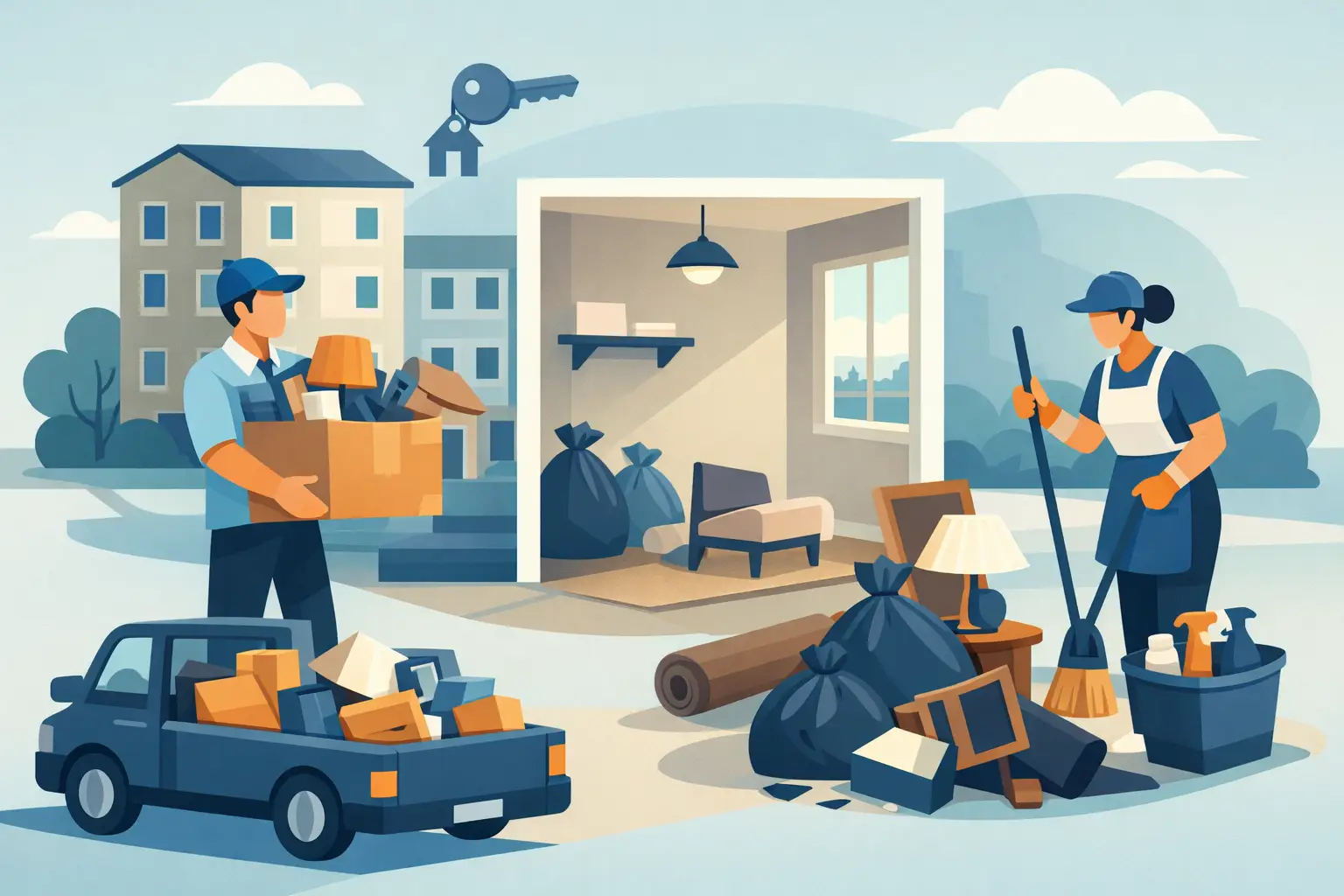
Yes, and this is where furniture hauling is especially helpful. During a home cleanout, estate cleanout, foreclosure cleanup, or rental turnover, furniture is rarely the only thing left behind. There may be clothes, household trash, old appliances, boxes, rugs, shelving, and garage items all mixed together.
A junk hauling crew can sort through the removal work as they go, loading the large furniture first and clearing smaller loose items from the rooms. This is far more practical than trying to manage a couch, a mattress, and dozens of bags through regular trash service.
For commercial properties, the same idea applies. Offices often have desks, chairs, filing cabinets, breakroom furniture, old displays, and general clutter that need to go at the same time. Clearing it all in one service call helps make room for a move, remodel, new tenant, or fresh start.
The Junk Bros. LLC handles single-item furniture pickups as well as larger residential and commercial cleanouts across Atlantic County and nearby South Jersey communities. The goal is simple: show up ready to work, remove what you do not want, and leave you with space you can use again.
Should You Donate Furniture Instead?
Donation can be a good option when furniture is clean, safe, complete, and still useful. A solid dining table, gently used dresser, or working office chair may be worth passing along. However, donation centers often have condition rules and may not take items with tears, stains, smoke odor, missing parts, or major wear.
If a charity cannot accept the furniture, junk removal is the practical next step. Haulers can also separate items that may be recyclable or reusable when appropriate, while making sure the rest is disposed of responsibly. The exact outcome depends on the item condition and local disposal options, so there is no need to keep an unusable sofa sitting in the garage for months hoping someone will take it.
How to Prepare for Furniture Removal
A little preparation helps the pickup go smoothly. Empty drawers, cabinets, and storage compartments. Remove personal papers, keys, jewelry, remote controls, and anything tucked into cushions or desk drawers. If furniture is being removed from a tight room, clear a path to the door and move fragile items out of the way.
Let the crew know about stairs, elevator access, pets, narrow gates, or any other access issues before they arrive. You do not have to disassemble furniture unless requested, but removing loose shelves, glass tops, and detachable pieces can make the job safer. If you are clearing several rooms, mark the items that are staying so nothing is removed by mistake.
The right time to schedule furniture removal is usually when the unwanted item starts getting in the way. Whether it is one broken recliner or a property full of old furnishings, getting it out of the way can make the next step easier.


Comments